

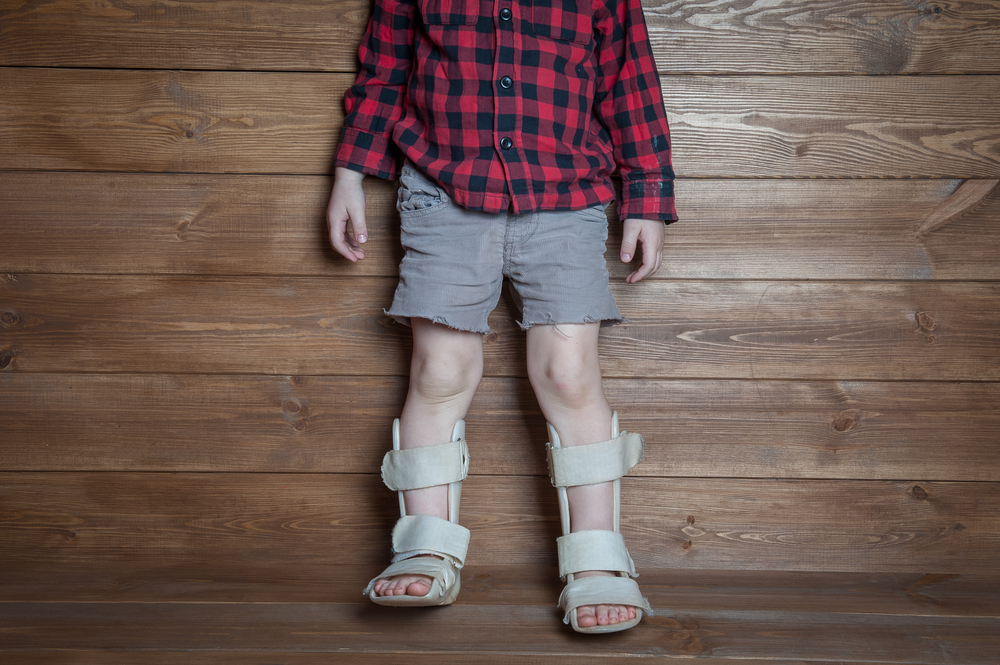
Growing up is an exciting journey filled with milestones like learning to walk, run, and play. For some children, however, physical challenges can make these milestones more difficult to achieve. Children born with or who develop musculoskeletal or neurological conditions often require additional support to navigate the world safely and comfortably. This is where pediatric orthotics play a vital role. Specifically designed to address the unique biomechanical needs of growing bodies, custom pediatric orthotics help children improve mobility, balance, and overall quality of life.
Pediatric Orthotics and Their Role in Child Development
Pediatric orthotics refers to medical devices designed to support or correct the function of the limbs or spine in children. These devices are custom-made to fit each child’s anatomy and medical requirements, taking into account growth, developmental stage, and specific diagnosis. Unlike adult orthotics, pediatric options must accommodate rapid growth and changes in muscle tone, joint alignment, and skeletal development.
Parents often seek professional assistance from a children’s orthotic lab, where specialists assess the child’s condition and fabricate devices tailored to their needs. Conditions commonly treated with pediatric orthotics include cerebral palsy, spina bifida, muscular dystrophy, scoliosis, and various gait abnormalities. Early intervention with custom orthotics can significantly influence a child’s ability to participate in daily activities and social play, fostering emotional and cognitive development alongside physical progress.
The Importance of Custom Child Orthotic Braces
One of the most critical aspects of pediatric orthotic care is customization. Off-the-shelf solutions often fail to provide the necessary support and can lead to discomfort, skin irritation, or even further complications. Custom child orthotic braces are crafted using precise measurements and sometimes 3D scanning technology, ensuring a perfect fit that supports alignment and movement without restricting comfort.
Orthotic braces serve various purposes, from stabilizing joints and redistributing pressure to controlling abnormal movement patterns. For example, a child with hypotonia (low muscle tone) may benefit from orthotics that provide structural support, improving their ability to stand or walk. In contrast, a child with hypertonia (increased muscle tone) may require orthotics that reduce spastic movement and enhance balance.
What sets custom braces apart is their adaptability. As children grow, the orthotics can be modified or remade to reflect changes in size and development. This ensures continued support throughout each phase of mobility development and minimizes the risk of secondary complications like joint contractures or uneven limb growth. Ultimately, well-fitted orthotics empower children to move more freely, reduce fatigue, and gain confidence in their physical abilities.
Benefits of AFOs for Kids with Mobility Challenges
Ankle-foot orthoses, commonly known as AFO for kids, are among the most frequently prescribed pediatric orthotic devices. These braces support the ankle and foot, helping to correct positioning, improve gait, and stabilize weak muscles. They are particularly beneficial for children with conditions such as cerebral palsy, stroke-related hemiplegia, or muscular dystrophy.
AFOs come in various designs depending on the child’s condition. Some are rigid to provide maximum stability, while others are more flexible to allow controlled movement. The choice of material and design is carefully tailored to meet each child’s goals, whether that’s achieving independent ambulation, reducing the risk of falls, or enhancing athletic performance in school settings.
Beyond physical improvement, wearing an AFO can also lead to psychological and social benefits. Children who can walk more effectively and without pain are more likely to engage in peer activities, enjoy school recess, and participate in sports. These opportunities build self-esteem and promote overall well-being, reinforcing the holistic value of pediatric orthotic care.
How Pediatric Prosthetics and Orthotics Work Together
In cases where a child has undergone amputation or was born with limb differences, pediatric prosthetics and orthotics often work in tandem to optimize mobility and function. Prosthetics replace a missing limb, while orthotics support the structure and function of existing limbs. The integration of these two disciplines ensures that children receive comprehensive care tailored to their unique mobility goals.
For example, a child with a below-knee amputation may use a prosthetic limb for walking, while wearing an orthotic on the opposite limb to maintain symmetry and prevent overuse injuries. In some cases, hybrid devices that combine features of prosthetics and orthotics are used to provide enhanced stability and control.
Pediatric specialists work closely with families to monitor growth and development, ensuring that prosthetic and orthotic devices evolve alongside the child. Regular follow-ups, adjustments, and sometimes entirely new fittings are part of this long-term journey. When managed properly, these devices allow children to pursue a high quality of life, participate in a broad range of activities, and develop independence.
The Role of Gait Support for Children in Daily Activities
Walking is one of the most fundamental activities of daily life, and for children with physical impairments, achieving a functional gait can be life-changing. Gait support for children includes various orthotic solutions aimed at improving walking patterns, balance, and endurance. These supports are especially crucial during developmental years when children are building foundational movement skills.
Custom orthotics can correct uneven walking patterns, such as toe-walking or in-toeing, by guiding the foot and ankle into proper alignment. For children who fatigue easily or struggle with coordination, gait support can redistribute body weight more evenly, reducing the effort required to walk and increasing stamina.
Improved gait does more than just facilitate movement. It can have cascading benefits on posture, spinal alignment, and even respiratory function. Children who walk more efficiently are better able to participate in classroom activities, physical education, and family outings. In addition, parents often notice improvements in their child’s mood and behavior once physical challenges are reduced.
Pediatric orthotists often collaborate with physical therapists and physicians to develop a comprehensive gait training plan. Orthotic devices may be used in combination with therapeutic exercises to strengthen muscles, improve coordination, and gradually wean children off support when appropriate. This integrated approach ensures that mobility gains are sustainable and that children reach their fullest physical potential.
Conclusion
Custom pediatric orthotics have a transformative impact on the lives of children facing physical challenges. By providing individualized support, these devices address a wide range of conditions affecting mobility and development. Whether through custom child orthotic braces, AFO for kids, or integrated pediatric prosthetics and orthotics, the goal remains the same: to help children move better, feel better, and live more fully.
Working with a specialized children’s orthotic lab ensures that each child receives the precise care they need during critical growth years. Beyond physical mobility, orthotic interventions enhance social participation, emotional health, and independence. For families navigating complex medical diagnoses, custom pediatric orthotics offer not just medical support but a renewed sense of hope and opportunity.
By investing in tailored gait support for children, parents and caregivers can give their kids the best possible start in life, empowering them to explore their world with confidence, curiosity, and joy.
Need a Prosthetic and Orthotic Laboratory Near You?
Prothotic Labratories, Inc. is a family-owned and -operated prosthetics and orthotics specialist based in Farmingdale, New York since 1988. We offer the highest quality of products, services, and patient care for all of your prosthetic and orthotic management needs. We specialize in pediatric prosthetics, but also offer adult products and services as well, such as scoliosis management, creating custom-designed prosthetics for the upper or lower extremities, and much more. We also have extensive experience in the orthotic management of cerebral palsy, arthrogryposis, osteogenesis imperfecta, spinal muscular atrophy, and neuromuscular and idiopathic scoliosis. Give us a call today, or visit us for more information!