

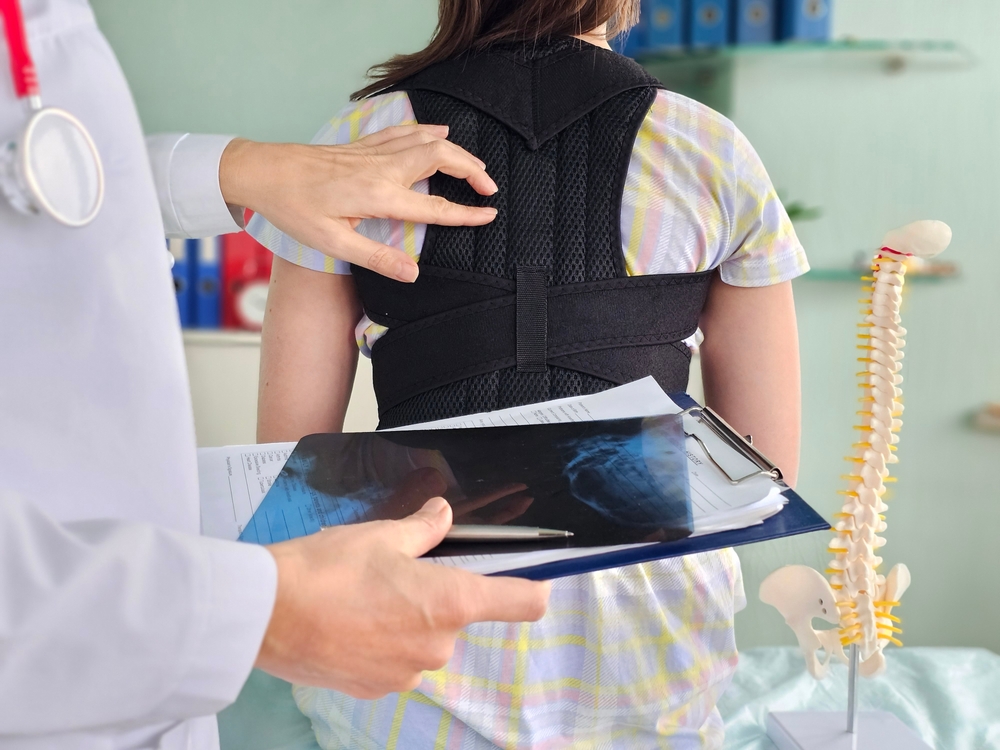
Scoliosis is a complex spinal condition that often emerges during adolescence, a time of rapid growth and physical development. Characterized by an abnormal lateral curvature of the spine, scoliosis can significantly impact posture, movement, and quality of life. For teens, early detection and timely intervention are vital, as the spine is still malleable and responsive to corrective treatments during this developmental phase. Among the most effective non-surgical scoliosis treatments available is scoliosis bracing, particularly when implemented early and customized to the individual’s unique spinal curve.
Bracing has evolved significantly from its early designs. Modern solutions such as the TLSO scoliosis brace and other custom devices now offer greater effectiveness and comfort. When applied at the right stage, custom bracing can help halt curve progression, reduce the need for surgery, and improve long-term outcomes. Understanding how these braces work, why spinal brace fitting is so important, and how custom scoliosis brace labs create tailored solutions is essential for families navigating a scoliosis diagnosis in their teen.
The Importance of Early Detection in Adolescent Scoliosis
The earlier scoliosis is diagnosed, the more opportunities exist to manage it without surgical intervention. Most scoliosis cases are idiopathic, meaning their cause is unknown, and they typically manifest between the ages of 10 and 18. During this growth spurt, the spine is particularly susceptible to curve progression. Even a mild curve can quickly become severe if not closely monitored and treated.
Screenings in schools or during routine pediatric visits can catch scoliosis in its early stages. Warning signs such as uneven shoulders, an asymmetrical waistline, or a prominent rib hump when bending forward should prompt further evaluation through spinal X-rays. Early detection enables timely implementation of scoliosis bracing. This is one of the few proven non-surgical scoliosis treatment options. When started early, bracing can prevent curve progression to the point where surgery becomes necessary, preserving spinal health and function.
How Scoliosis Bracing Prevents Curve Progression
Scoliosis bracing works by applying strategic external pressure to specific areas of the torso, encouraging the spine to grow in a more neutral alignment. The effectiveness of a teen back brace depends heavily on factors such as curve type, curve magnitude, skeletal maturity, and patient compliance. Bracing is typically prescribed for adolescents with moderate curves between 20 and 40 degrees who are still growing.
One of the most commonly used orthotic devices is the TLSO scoliosis brace, or Thoraco-Lumbo-Sacral Orthosis. This rigid brace is designed to encompass the torso, from under the arms to the hips, with strategically placed pads that counteract the spinal curve. Unlike older, bulkier designs, modern TLSO braces are more discreet and comfortable. This makes it easier for teens to wear them as prescribed, usually for 16 to 23 hours per day.
Custom scoliosis braces are tailored not only to the size and shape of the teen’s body but also to the precise direction and location of the spinal curve. This customized approach increases the effectiveness of the brace and supports better long-term outcomes. Research consistently shows that teens who wear their scoliosis braces as directed experience a significantly lower risk of curve progression and are less likely to require surgery later in life.
The Role of Custom Scoliosis Brace Labs
Creating a brace that truly fits and works as intended requires the expertise and precision of a custom scoliosis brace lab. These specialized facilities are equipped with the tools and technology to fabricate braces based on 3D scans, X-rays, and clinical measurements taken during the spinal brace fitting process. Rather than offering one-size-fits-all solutions, custom labs design orthoses that are uniquely contoured to the patient’s body and the specific dynamics of their curve.
The fabrication process typically begins with a detailed assessment by an orthotist, who works closely with the patient’s orthopedic physician. Using 3D imaging and moldable materials, the brace is shaped to redirect spinal forces and encourage improved alignment. These custom labs also ensure that the materials used are lightweight yet durable, with ventilation and padding that support day-to-day wear and comfort.
Custom bracing is not just about mechanics. It also involves aesthetics and usability. Many teens are understandably self-conscious about wearing a brace, and a poor fit or bulky design can contribute to non-compliance. Labs that specialize in custom scoliosis bracing often offer personalization options such as colors or patterns. These enhancements can help teens feel more in control and positive about their treatment.
Proper Spinal Brace Fitting: A Crucial Step in Treatment Success
Spinal brace fitting is not a one-time event. It is a process that ensures the brace functions optimally as the teen’s body changes. A proper fit means the brace applies corrective pressure without causing skin irritation, impeding breathing, or restricting movement excessively. The initial fitting appointment is critical for adjusting pad placement, tightening mechanisms, and ensuring overall comfort.
After the first fitting, frequent follow-up visits are needed to monitor both the spine’s progression and the effectiveness of the brace. These appointments provide opportunities to make necessary adjustments to account for growth or changes in the curvature. An ill-fitting brace, no matter how advanced in design, will not provide the desired corrective force and may even contribute to worsening symptoms.
Patient education is also an important part of the fitting process. Teens and their families need to understand how to put on, wear, and care for the brace, as well as what to expect during daily activities. Encouragement and support from the clinical team can improve compliance, especially when the teen is empowered to participate in their own care.
Scoliosis Bracing as a Non-Surgical Path to Better Outcomes
For families looking to avoid the risks and recovery associated with spinal fusion surgery, scoliosis bracing offers a hopeful alternative. While not every case is suitable for bracing, particularly if the curvature is too advanced or the patient has stopped growing, many adolescents fall within the ideal candidate range. When used properly and early, scoliosis bracing can reduce curve severity or even prevent further progression entirely.
The key to success lies in a comprehensive treatment approach that includes regular monitoring, high-quality brace construction, and consistent patient adherence. Custom scoliosis brace labs play a central role in delivering effective orthoses, while clinicians ensure that the brace remains functional over time. The result is a highly individualized form of non-surgical scoliosis treatment that prioritizes the teen’s health, comfort, and quality of life.
Teen back braces are not just medical devices. They are tools that give growing adolescents a chance at a future free from spinal deformity and invasive procedures. By addressing scoliosis early and partnering with experienced professionals, families can take proactive steps toward managing this condition with confidence.
Conclusion
Scoliosis in teens presents a unique clinical challenge, but one that can be effectively managed through early detection and the strategic use of bracing. Modern scoliosis bracing, including the widely used TLSO scoliosis brace, provides an evidence-based, non-surgical scoliosis treatment path that can halt curve progression and reduce the need for surgery. Central to this success is the role of custom scoliosis brace labs, where each brace is designed with precision and care to suit the patient’s individual anatomy and spinal curve.
Equally critical is the spinal brace fitting process, which ensures the brace functions as intended and supports long-term compliance. Teens who are diagnosed early and who receive well-fitted, custom braces have a significantly higher chance of maintaining spinal health into adulthood without resorting to invasive procedures.
Families facing a scoliosis diagnosis should not feel powerless. With the right guidance, the support of medical professionals, and a commitment to early action, teens can embrace bracing as a positive step toward spinal correction and a healthier future.
Need a Prosthetic and Orthotic Laboratory Near You?
Prothotic Labratories, Inc. is a family-owned and -operated prosthetics and orthotics specialist based in Farmingdale, New York since 1988. We offer the highest quality of products, services, and patient care for all of your prosthetic and orthotic management needs. We specialize in pediatric prosthetics, but also offer adult products and services as well, such as scoliosis management, creating custom-designed prosthetics for the upper or lower extremities, and much more. We also have extensive experience in the orthotic management of cerebral palsy, arthrogryposis, osteogenesis imperfecta, spinal muscular atrophy, and neuromuscular and idiopathic scoliosis. Give us a call today, or visit us for more information!