

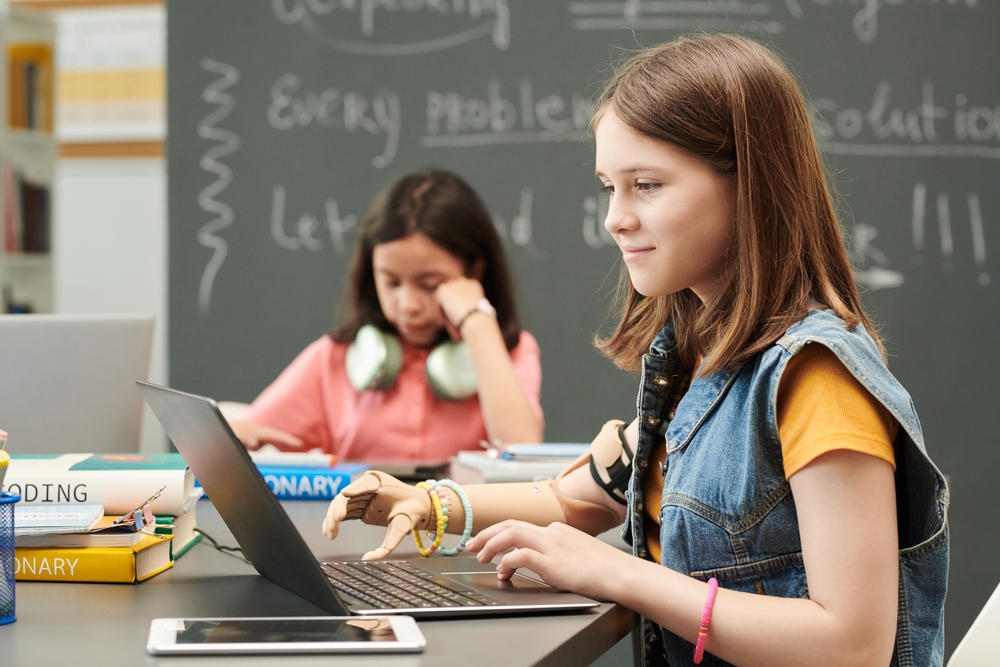
The New Year is often seen as a time for reflection, hope, and fresh beginnings. For families of children with prosthetics, it can also be a powerful moment to focus on encouragement, growth, and emotional support. While these children may face unique physical and psychological challenges, the start of a new year presents a meaningful opportunity to foster confidence, inspire goals, and embrace the joy of life. By providing the right emotional environment, setting realistic expectations, and accessing available resources, families can help their children feel truly empowered as they enter the new year.
Embracing Emotional Wellbeing
Children with prosthetics often encounter a range of emotions throughout their journey. These may include frustration, self-consciousness, or anxiety about being perceived as different. As the New Year approaches, it is important for families to create a space where children feel emotionally safe and unconditionally supported. Open conversations about their feelings and aspirations can serve as a strong foundation for building resilience. Listening to their concerns, validating their experiences, and offering encouragement can help children internalize a positive self-image.
Holidays and celebrations can be emotionally complex for children with prosthetics. They might compare themselves to peers or feel limited by their mobility. Acknowledging these feelings, rather than brushing them aside, shows the child that their emotions are valid and can be openly discussed. This time of year can also serve as a reminder to highlight the child’s strengths, perseverance, and unique qualities that have nothing to do with physical appearance or ability. Encouraging them to express themselves creatively, whether through art, journaling, or conversation, allows them to process their thoughts and start the year with clarity and hope.
Creating an Inclusive Celebration
Celebrating the New Year should feel inclusive and joyful for every child, regardless of physical ability. Families can plan festivities that take into account the child’s mobility needs without drawing unnecessary attention to them. For example, arranging a celebration at home or a location that is accessible and comfortable helps ensure that the child can participate fully in all activities. Including the child in the planning process also reinforces a sense of agency and belonging.
Small gestures like selecting games or activities that everyone can enjoy, ensuring rest areas are available, or offering adaptive tools for crafts or food preparation can make a significant difference. These thoughtful accommodations signal that the child’s comfort is a priority and that inclusion does not mean compromising fun. Whether it’s watching fireworks from a cozy spot, playing a favorite board game with siblings, or preparing a special meal together, these moments foster connection and confidence. The focus should always be on togetherness, rather than what is or isn’t possible physically.
Encouraging Confidence Through Goal Setting
The start of a new year naturally brings discussions around goals and resolutions. For children with prosthetics, goal-setting can be a powerful way to foster self-confidence, motivation, and a sense of accomplishment. However, it is important that goals are framed positively and realistically, tailored to the child’s interests and current abilities. Rather than emphasizing areas of perceived limitation, focus on aspirations that highlight growth and joy.
A child might set a goal to try a new hobby, make a new friend, or learn how to do something independently. With gentle encouragement, these goals can be broken into manageable steps, helping the child recognize progress over time. Celebrating even small achievements reinforces a sense of capability and autonomy. When setbacks occur, which they inevitably might, families can model resilience and teach that progress isn’t always linear.
Involving a prosthetist or physical therapist in the goal-setting process can also be beneficial. These professionals can provide input on mobility milestones or therapeutic exercises that align with the child’s developmental needs. Their guidance ensures that physical goals are achievable and safe, helping the child stay motivated without facing unnecessary frustration.
Accessing Support Networks and Resources
Families navigating the experience of raising a child with a prosthetic limb should never feel they are doing it alone. The New Year is an ideal time to explore support networks, therapy options, and community resources that can provide both emotional and practical assistance. Peer groups, both online and in person, offer a valuable space for children to connect with others who share similar experiences. These connections help reduce feelings of isolation and provide powerful examples of how others are thriving.
Support groups for parents can also be transformative. Sharing stories, challenges, and advice with other families provides emotional relief and a deeper sense of solidarity. Therapists who specialize in pediatric rehabilitation or child psychology can guide families in addressing emotional or behavioral challenges related to prosthetic use. Occupational therapists and adaptive recreation programs can open the door to new activities, helping children build skills and confidence in fun, supportive environments.
Many nonprofit organizations offer seasonal programs, grants for assistive technology, and social events designed specifically for children with limb differences. Starting the year by connecting with these resources can provide a fresh sense of direction and belonging, reinforcing the idea that support is available and the future is full of possibility.
Educating and Empowering Siblings and Peers
Fostering a positive environment for a child with a prosthetic limb also involves educating and empowering those around them. Siblings, classmates, and friends play a crucial role in shaping the child’s daily experiences. The New Year can be a good time for intentional conversations about empathy, inclusion, and understanding differences.
Parents can help siblings develop a healthy perspective by encouraging open discussion, addressing jealousy or confusion, and reinforcing the idea that each child’s needs are valid and unique. Teaching siblings how to support, rather than overprotect, their brother or sister helps build a dynamic rooted in respect and cooperation. At school, teachers and staff can play a proactive role by creating an inclusive classroom culture and making sure adaptive needs are discreetly met.
When children feel empowered to explain their prosthetic in age-appropriate ways, they take ownership of their identity. Encouraging them to answer questions with confidence, if they feel comfortable, helps dismantle stigma and fosters curiosity rather than pity. This approach not only benefits the child directly but also contributes to a broader culture of acceptance and kindness among their peers.
Conclusion
Helping a child with a prosthetic limb begin the New Year with happiness, confidence, and hope requires a blend of emotional support, thoughtful planning, and intentional connection. Families play an essential role in creating a nurturing environment that values both the child’s capabilities and their emotional needs. By embracing inclusive celebrations, encouraging personal goals, accessing community support, and empowering siblings and peers, the path forward can be filled with moments of joy and growth.
The challenges that come with prosthetic use are real, but they do not define the child or the family’s experience. With compassion, adaptability, and a proactive mindset, this time of renewal can serve as a springboard for meaningful development and deeper connection. Every new year is an opportunity to reinforce the belief that children with prosthetics are strong, resilient, and deserving of all the beauty life has to offer.
Need a Prosthetic and Orthotic Laboratory Near You?
Prothotic Labratories, Inc. is a family-owned and -operated prosthetics and orthotics specialist based in Farmingdale, New York since 1988. We offer the highest quality of products, services, and patient care for all of your prosthetic and orthotic management needs. We specialize in pediatric prosthetics, but also offer adult products and services as well, such as scoliosis management, creating custom-designed prosthetics for the upper or lower extremities, and much more. We also have extensive experience in the orthotic management of cerebral palsy, arthrogryposis, osteogenesis imperfecta, spinal muscular atrophy, and neuromuscular and idiopathic scoliosis. Give us a call today, or visit us for more information!