

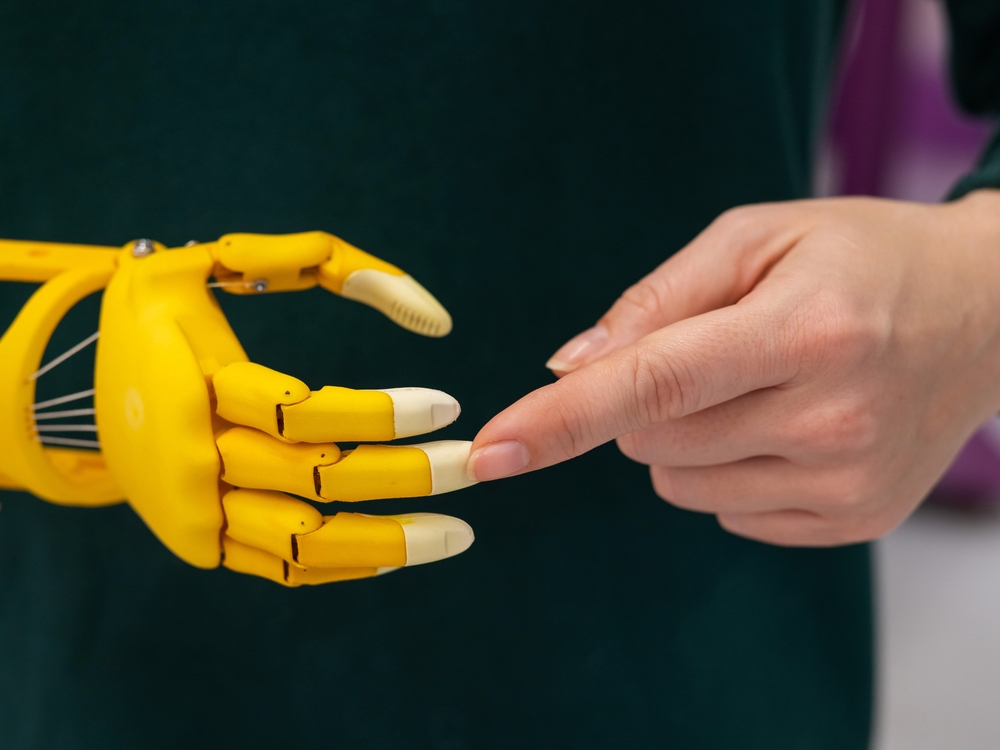
The world of prosthetics has witnessed significant transformations in recent years, but few advancements have sparked as much hope and excitement as the rise of 3D-printed prosthetics for kids. With the intersection of cutting-edge technology and heartfelt compassion, pediatric 3D prosthetic technology is reshaping what’s possible for children living with limb differences. From affordability to personalization, these innovations are not only addressing physical needs but also restoring confidence, independence, and joy in young lives.
The Promise of 3D Printing in Pediatric Prosthetics
Traditional prosthetics are often expensive, time-consuming to produce, and not always designed with the specific needs of children in mind. Kids grow quickly, which means they require multiple prosthetic fittings throughout their development. Each replacement can cost thousands of dollars and take weeks, if not months, to manufacture. For many families, especially those without comprehensive insurance coverage, these costs can be overwhelming.
Enter 3D printed prosthetics for kids, a transformative solution that is drastically reducing the cost and time associated with prosthetic production. With 3D printing, custom 3D printed limbs can be designed, adjusted, and created within days at a fraction of the traditional cost. Open-source prosthetic designs, community collaboration, and advances in printer technology have made it feasible for small organizations, universities, and even hobbyists to produce functional, lightweight prosthetic limbs for children.
Beyond affordability, 3D printing offers a level of customization that traditional manufacturing simply cannot match. From vibrant colors to themed designs inspired by superheroes or cartoons, children can now wear prosthetics that reflect their personalities. This playful element helps reduce the stigma often associated with limb differences and allows kids to embrace their prosthetics with pride.
How Custom 3D Printed Limbs Empower Children
Children using custom 3D printed limbs often experience a renewed sense of agency and confidence. These prosthetics are not just functional tools; they are enablers of participation, social integration, and emotional well-being. Pediatric prosthetic users can now climb jungle gyms, ride bikes, throw balls, and engage in everyday activities with greater ease and comfort.
Customization extends beyond aesthetics. Pediatric 3D prosthetic technology allows for designs that align with a child’s unique measurements, range of motion, and specific needs. Whether a child requires a hand capable of gripping school supplies or a limb that can handle sports-related movements, 3D printing enables these variations quickly and affordably. This ensures that the prosthetics support both physical activity and developmental milestones, rather than hinder them.
Furthermore, the ability to involve children in the design process adds a layer of emotional investment. When a child has a say in the appearance or functionality of their prosthetic limb, they are more likely to use it consistently and proudly. This involvement also helps normalize the use of prosthetics within peer groups, reducing feelings of isolation and helping foster acceptance.
Innovation in Prosthetics for Kids: Global Impact
The benefits of 3D printed prosthetics are particularly evident in underserved communities, where access to traditional medical care and prosthetic services may be limited. In parts of the world where conventional prosthetics are not financially or logistically viable, 3D printing has emerged as a beacon of hope. Nonprofit organizations, volunteers, and engineers are working together to deliver prosthetics to children who would otherwise go without.
In these regions, mobile 3D printing labs and digital scanning tools are revolutionizing the delivery of care. Even without permanent facilities, technicians can scan a child’s limb, generate a digital model, and print a custom prosthetic onsite. This drastically cuts down on the need for multiple appointments, travel expenses, or long wait times. Children can receive a new limb within a few days and begin using it immediately.
Several international initiatives have demonstrated the scalability of pediatric 3D prosthetic technology. From war-affected zones to remote villages, these projects are proving that innovation in prosthetics for kids is not limited by geography. The portability and flexibility of 3D printers, coupled with the availability of open-source designs, are enabling life-changing support to reach children in even the most challenging environments.
Education, Community, and the Role of Open Innovation
One of the most remarkable aspects of the 3D printing revolution in prosthetics is the strong sense of community that underpins it. Across the globe, designers, engineers, medical professionals, and volunteers are contributing to a shared mission: to ensure that no child is left behind due to a lack of access to prosthetics. Open-source platforms allow contributors to upload and modify prosthetic designs, making them available to anyone with a 3D printer.
Schools and universities are also playing a significant role in this space. Engineering students are partnering with medical teams to develop new prototypes, often in collaboration with the children who will wear them. These interdisciplinary projects not only advance the technology but also foster empathy and social responsibility among the next generation of innovators.
Local maker spaces and libraries equipped with 3D printers are increasingly involved in producing prosthetics for community members. These grassroots efforts are creating networks of support and education that extend beyond the medical field. Children learn that science and technology can make a direct, positive impact on their lives and those of others. They also see examples of how compassion and creativity can work together to solve real-world problems.
Looking Ahead: The Future of 3D Printed Prosthetics for Kids
The journey of 3D printed prosthetics for kids is still evolving, and the future holds immense promise. As materials become more durable and printer capabilities continue to improve, the performance and functionality of 3D printed limbs will become even more comparable to traditional options. Researchers are exploring the integration of robotics, sensors, and AI into prosthetics, potentially enabling more advanced movement and responsiveness.
There is also a growing focus on modular designs that can grow with the child. Instead of replacing an entire limb as the child grows, individual components can be swapped out or resized, extending the life and usability of each prosthetic. This modularity not only reduces waste but also ensures that children can continue to engage in activities without interruption or discomfort.
Another exciting area is the combination of 3D printing with telemedicine. Specialists can now consult with families remotely, review scans, and offer guidance on prosthetic fittings and usage. This hybrid model is especially impactful in rural or underserved areas, ensuring that children have continued access to high-quality support no matter where they live.
As more stakeholders, including healthcare providers, educators, and policymakers, recognize the value of pediatric 3D prosthetic technology, support systems will likely become more robust. Public awareness and investment in this space are essential to scaling these innovations and ensuring equitable access across all socioeconomic backgrounds.
Conclusion
3D printed prosthetics for kids are more than just an advancement in medical technology. They represent a convergence of innovation, compassion, and inclusivity that is transforming the lives of children around the world. By making prosthetics more accessible, customizable, and empowering, this technology is not only addressing physical needs but also unlocking confidence, potential, and joy.
Through continued research, community collaboration, and a commitment to open innovation, the future of pediatric 3D prosthetic technology looks bright. For the children who once faced a world full of limitations, these custom 3D printed limbs are opening doors to play, learn, and grow with confidence. The game is changing, and children everywhere are beginning to win.
Need a Prosthetic and Orthotic Laboratory Near You?
Prothotic Labratories, Inc. is a family-owned and -operated prosthetics and orthotics specialist based in Farmingdale, New York since 1988. We offer the highest quality of products, services, and patient care for all of your prosthetic and orthotic management needs. We specialize in pediatric prosthetics, but also offer adult products and services as well, such as scoliosis management, creating custom-designed prosthetics for the upper or lower extremities, and much more. We also have extensive experience in the orthotic management of cerebral palsy, arthrogryposis, osteogenesis imperfecta, spinal muscular atrophy, and neuromuscular and idiopathic scoliosis. Give us a call today, or visit us for more information!