

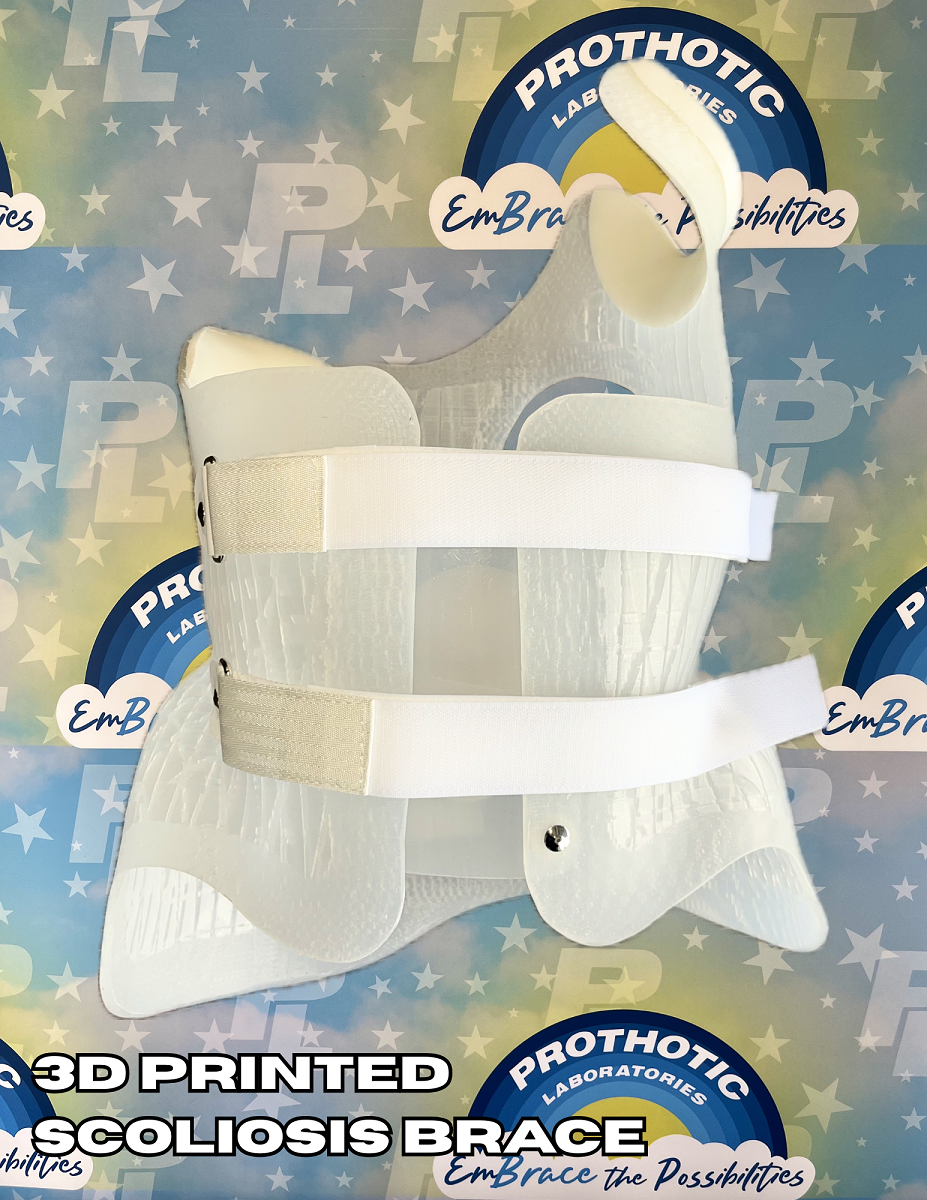
For decades, scoliosis bracing relied on rigid plastic designs that often limited comfort, mobility, and long-term compliance, especially in pediatric patients.
Traditional braces such as the Boston TLSO have been clinically effective in managing spinal curvature. However, many children experience:
- Heat retention
- Skin irritation
- Restricted movement
- Difficulty participating in daily activities
Today, a new era in pediatric scoliosis treatment is emerging. Powered by 3D printing technology, we prioritizes both correction and comfort.
From Traditional Scoliosis Braces to Intelligent 3D Design
Early 3D-printed scoliosis braces showed promise but were limited by:
- Brittle materials
- Inconsistent structural strength
- Immature design software
These concerns once made clinicians hesitant to adopt the technology.
Now, advancements in:
- Medical-grade materials
- Biomechanical modeling
- Precision manufacturing
have transformed what’s possible.
Using purpose-built medical printers like the Create it REAL EmbraceTM printer, clinicians can now fabricate braces from polypropylene-based filaments that are:
- Lightweight
- Flexible
- Durable
- Breathable
while still delivering the corrective forces required for scoliosis treatment.
The Clinical Foundation: 3D Scanning Meets Rigo Chêneau Principles
Modern 3D scoliosis bracing builds on globally recognized treatment concepts such as the Rigo-Chêneau brace.
Unlike traditional braces that are modified after fabrication, today’s 3D-printed scoliosis orthoses are:
✔ Digitally corrected before production
✔ Designed using high-resolution 3D body scans
✔ Engineered for targeted pressure zones and expansion areas
This means braces are no longer simply customized, but biomechanically optimized for each child.
Prothotic Laboratory: Advancing Pediatric Scoliosis Bracing in New York
Located in Farmingdale and serving families across Long Island and Queens, Prothotic Laboratories is proud to be the first clinical provider in the United States to implement the Create it REAL Embrace™ system for pediatric scoliosis bracing.
Through close collaboration with pediatric orthopedic specialists across New York, Prothotic Laboratory has successfully introduced 3D-printed scoliosis braces for children, bringing advanced research directly into patient care.
Benefits of 3D-Printed Scoliosis Braces
Compared to traditional TLSO braces, modern 3D-printed scoliosis orthoses offer:
- 30–50% weight reduction
- Breathable lattice structures for improved airflow
- Reduced heat buildup
- Improved flexibility without sacrificing correction
- Precise anatomical fit using 3D scanning
- Improved comfort for extended daily wear
For children required to wear a brace 18–23 hours per day, these improvements can make a meaningful difference.
Why Comfort Matters in Pediatric Scoliosis Treatment
Children with early-onset or juvenile scoliosis often require long-term brace treatment during critical growth years.
When braces are uncomfortable, compliance drops — and treatment effectiveness can suffer.
Families of children wearing modern 3D-printed braces frequently report:
- Increased daily activity levels
- Greater willingness to wear the brace consistently
- Less visible bulk under clothing
- Fewer skin complications
Improved comfort often leads to better brace compliance, which is directly linked to improved spinal curve management.
Bringing the Future of Scoliosis Care to Children
At Prothotic Laboratory, innovation is driven by one goal:
➡ Improving quality of life for children with scoliosis.
By investing in advanced 3D printing technology and partnering with pediatric orthopedic teams throughout New York, we are helping deliver:
- Lighter braces
- Smarter designs
- More child-friendly scoliosis treatment options
This advancement represents more than new technology. It reflects a shared commitment to providing better outcomes for growing children through modern orthotic care.