

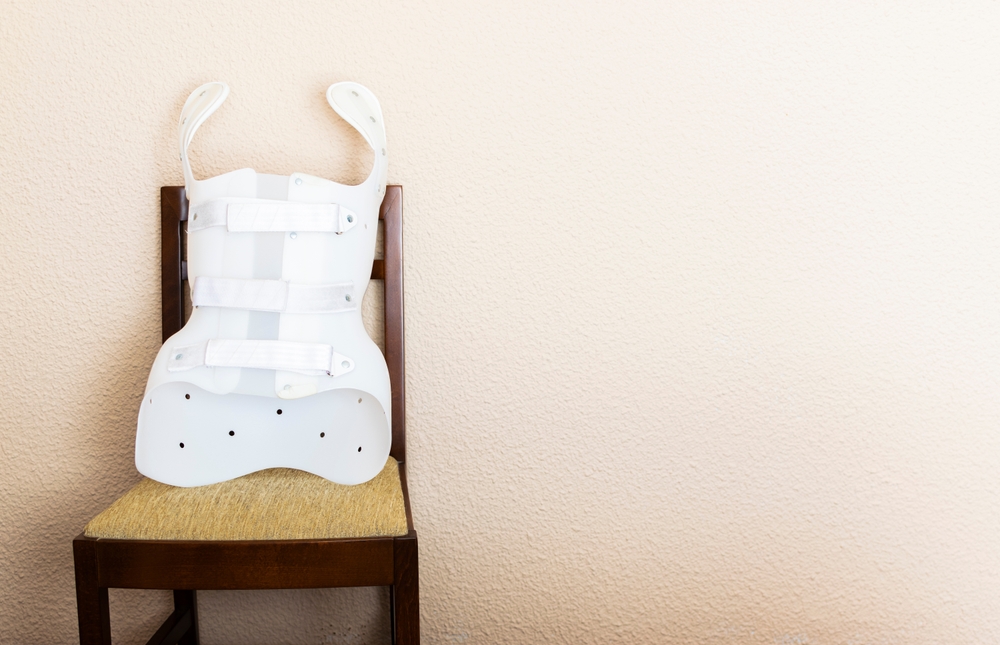
Scoliosis affects millions of people worldwide, and for decades, the go-to solution for moderate curves has been the thoracolumbosacral orthosis, more commonly known as a TLSO brace. These rigid, custom-fitted devices are designed to halt curve progression and, in the best cases, encourage some degree of correction. But as technology advances, a new question is emerging in orthotics clinics and spinal health conversations across the country: can a 3D printed TLSO brace outperform the traditional methods that have defined scoliosis treatment for generations?
For patients and families in Long Island and surrounding areas, understanding this shift could be life-changing.
The Limitations of Traditional TLSO Bracing
Traditional TLSO braces have served as a cornerstone of conservative scoliosis treatment for many years. They are typically fabricated by taking a plaster cast or foam impression of the patient’s torso, then building a rigid plastic shell around that mold. While this approach has helped countless patients avoid surgery, it is far from perfect.
One of the most significant drawbacks of conventional bracing is comfort, or more accurately, the lack of it. The thick plastic shells are often hot, heavy, and restrictive, making it difficult for young patients in particular to wear them for the recommended 18 to 23 hours per day. Compliance is a persistent challenge because the brace can feel suffocating, especially during warmer months or physical activity. When patients do not wear the brace consistently, the therapeutic value drops significantly.
Fit is another ongoing concern. Because bodies change, especially in growing adolescents, a brace that fits well at one appointment may become less effective within a few months. Modifications and refabrications take time and add cost. There is also a degree of variability between practitioners, meaning two patients with similar curve patterns might receive braces with subtle differences based on the individual technician’s technique and judgment. Custom scoliosis bracing has always aimed to eliminate this variability, but traditional methods make true precision difficult.
How 3D Printing is Transforming Spinal Orthotics
The arrival of CAD/CAM spinal design and additive manufacturing has opened a new chapter in orthotic care. The process begins with a precise digital scan of the patient’s body, often captured using structured light scanning or similar technology. This data is then fed into design software where a certified orthotist can build a highly accurate virtual model of the brace, making corrections and adjustments before a single piece of material is printed.
This digital workflow eliminates much of the guesswork involved in traditional fabrication. Every contour, pressure point, and relief zone can be planned and visualized in advance. Once the design is finalized, the brace is produced layer by layer using a 3D printer, resulting in a device that matches the patient’s anatomy with extraordinary precision. For practices offering breathable spinal orthotics, the design process also allows for the incorporation of lattice structures and ventilation patterns directly into the brace material, something that simply cannot be achieved with a traditional solid plastic shell.
The materials used in 3D printed braces have also evolved. Modern thermoplastics and composite materials offer impressive strength-to-weight ratios, meaning a brace can be both rigid enough to provide corrective force and light enough to improve daily wearability. This combination addresses one of the core barriers to effective scoliosis treatment, which is getting patients to actually keep the brace on.
Does 3D Printed Technology Deliver Better Correction?
This is the question that matters most to patients and their families. The clinical evidence is still growing, but early research and real-world outcomes are promising. Studies comparing 3D printed braces to conventional designs have found that the improved fit and consistent contact points of digitally fabricated devices can translate into better in-brace correction, a key predictor of long-term outcomes.
Better fit means the corrective forces are applied exactly where they need to be, not approximated based on a cast taken weeks before the brace was finished. The ability to use CAD/CAM spinal design also means that an orthotist can simulate the biomechanical effect of the brace before fabrication, refining the design until it meets the desired correction targets. This level of pre-planning simply does not exist in traditional workflows.
Equally important is the compliance factor. Research consistently shows that the number of hours a brace is worn per day is directly correlated with treatment success. Because 3D printed TLSO brace designs can be made lighter, more breathable, and better fitting, patients are more likely to wear them as prescribed. Improved compliance, combined with better biomechanical design, creates a compelling case for the superiority of modern custom scoliosis bracing over older methods.
For adolescent patients still in growth spurts, the ability to quickly produce updated braces using stored digital files is another meaningful advantage. Rather than starting the entire fabrication process from scratch, a new scan and an updated print can produce a revised brace far more efficiently, keeping treatment on track as the patient’s body changes.
Accessing 3D Printed Bracing in Long Island and Farmingdale
For families seeking this technology in Long Island, access is becoming more realistic as the orthotic field embraces digital manufacturing. Farmingdale, situated in a central location on Long Island, has become a point of reference for patients researching modern orthotic care in the region. As practices adopt scanning technology and 3D printing capabilities, patients no longer need to travel to major metropolitan centers to access cutting-edge custom scoliosis bracing.
What should patients look for when evaluating a provider? Certification matters greatly. An orthotist working with 3D printed technology should have formal training not only in orthotic fabrication but also in CAD/CAM spinal design software and digital scanning techniques. The integration of these skills ensures that the technical capabilities of the equipment are matched by clinical expertise. A great scan and a beautifully designed brace still depend on a knowledgeable practitioner who understands spinal biomechanics and knows how to translate that understanding into an effective corrective device.
Patients in Long Island should also ask providers about the specific materials they use, the ventilation features available in their breathable spinal orthotics, and how they handle brace modifications and follow-up care. Transparency about the process and a willingness to walk patients through each step of the digital workflow are good signs that a practice is truly invested in modern, patient-centered care.
Conclusion
The case for a 3D printed TLSO brace over traditional methods is built on real advantages in precision, comfort, compliance, and efficiency. While traditional bracing remains a valid option in many settings, the measurable improvements offered by CAD/CAM spinal design and digital fabrication make it difficult to ignore this technology when the goal is optimal correction. For patients in Farmingdale and across Long Island, exploring providers who offer custom scoliosis bracing through modern manufacturing is a worthwhile step toward better outcomes. As the field continues to evolve and clinical evidence grows, 3D printed bracing is poised to become not just an alternative to traditional methods but the new standard of care.
Need a Prosthetic and Orthotic Laboratory Near You?
Prothotic Labratories, Inc. is a family-owned and -operated prosthetics and orthotics specialist based in Farmingdale, New York since 1988. We offer the highest quality of products, services, and patient care for all of your prosthetic and orthotic management needs. We specialize in pediatric prosthetics, but also offer adult products and services as well, such as scoliosis management, creating custom-designed prosthetics for the upper or lower extremities, and much more. We also have extensive experience in the orthotic management of cerebral palsy, arthrogryposis, osteogenesis imperfecta, spinal muscular atrophy, and neuromuscular and idiopathic scoliosis. Give us a call today, or visit us for more information!