

Childhood is full of rapid changes. A prosthetic device that fits comfortably today may no longer provide the same support just a few months later. For families in Farmingdale, NY, and throughout Long Island, keeping pace with growth is one of the biggest challenges of pediatric prosthetic care.
Quick Answer
3D-printed prosthetics help children adapt to growth spurts by making it easier to create customized devices, adjust designs, and replace components more efficiently than many traditional manufacturing methods. While every child still requires regular evaluations and professional fitting, modern 3D printing technology offers greater flexibility as children grow and their needs change.
What Local Families Should Know
- Children often outgrow prosthetic devices more quickly than adults, especially during periods of rapid growth.
- Families across Farmingdale, Bethpage, Melville, Plainview, and surrounding Long Island communities benefit from regular follow-up appointments to ensure continued comfort and function.
- 3D printing allows for customized designs that can be modified as a child’s physical needs evolve.
- Growth, activity level, and lifestyle all influence how frequently a pediatric prosthesis may need adjustments or replacement.
- Consistent communication with a prosthetic provider helps identify fit issues before they affect mobility or comfort.
Why This Matters Locally
Growing children throughout Nassau County and Suffolk County stay active year-round through school, sports, playground activities, and family events. Whether they’re attending classes, participating in community recreation, or enjoying parks across Long Island, children rely on prosthetic devices that fit properly and support everyday movement.
A poorly fitting prosthesis can affect comfort, confidence, and participation in daily activities. Regular evaluations become especially important during periods of accelerated growth, which often occur with little warning.
Prothotic Laboratories, Inc. serves families in Farmingdale, NY, by helping children receive prosthetic care that evolves alongside their changing needs. From the first fitting onward, we focus on monitoring growth and making thoughtful adjustments that support long-term mobility.
Local Field Observations
Professional experience consistently shows that pediatric patients experience more frequent fit changes than adults because children’s bodies develop continuously. Growth may occur gradually or in noticeable spurts, requiring periodic reassessment of socket fit, alignment, comfort, and overall function.
Rather than waiting until discomfort develops, many families find that scheduled follow-up appointments help identify small changes before they become larger concerns.
How 3D-Printed Prosthetics Support Growing Children
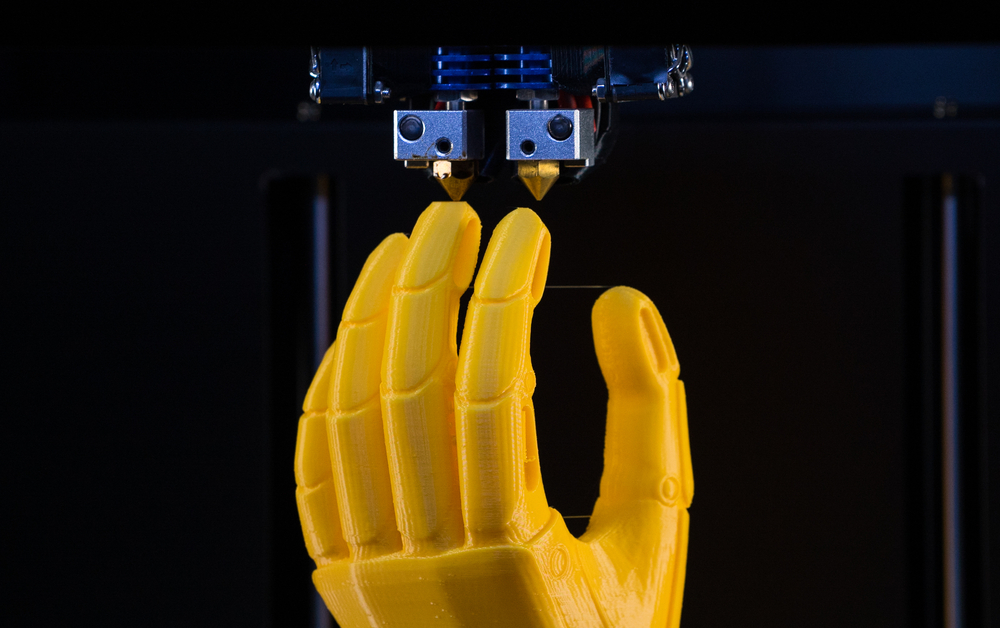
3D-printed prosthetics support childhood growth by making customization and design updates more accessible throughout different stages of development.
Unlike traditional fabrication methods that can require extensive manual production, digital design and 3D printing allow prosthetists to modify existing models based on updated measurements. This process supports individualized care while reducing the need to start completely from scratch in certain situations.
Some of the advantages include:
- Customized socket designs based on current anatomy.
- Easier design revisions as growth occurs.
- Improved consistency using digital models.
- Opportunities for lighter components in appropriate applications.
- Greater flexibility when replacing certain parts of a device.
Every child’s treatment plan remains unique, and the most appropriate prosthetic solution depends on medical needs, activity level, and professional evaluation.
How Growth Spurts Affect Prosthetic Fit
Growth spurts can quickly change how a prosthesis fits because bones, muscles, and soft tissues develop at different rates.
Even small physical changes can alter how weight is distributed inside the prosthetic socket. A device that once felt comfortable may begin creating pressure points or reduced stability.
Parents may notice changes after:
- Seasonal growth spurts.
- Beginning a new sports season.
- Significant increases in height.
- Weight changes associated with normal development.
- Increased physical activity.
Because children may not always recognize or communicate subtle discomfort, routine evaluations remain an important part of pediatric prosthetic care.
Warning Signs That a Child May Need a Prosthetic Adjustment
Several common warning signs indicate it may be time for a professional evaluation.
Watch for:
- Redness that lasts longer than normal after removing the prosthesis.
- Complaints of discomfort or pain.
- Changes in walking or movement patterns.
- Difficulty putting on or removing the device.
- Increased looseness or instability.
- New pressure points.
- Reduced participation in activities they previously enjoyed.
These signs do not always indicate a major problem, but they should be evaluated by a qualified prosthetist.
When to Schedule a Professional Evaluation
Professional evaluations should be scheduled whenever growth or discomfort affects fit, comfort, or function.
Parents can monitor basic wear and observe how their child moves, but adjustments involving socket fit, alignment, or structural components should always be performed by trained professionals.
Prompt evaluations may help prevent:
- Skin irritation.
- Changes in gait.
- Reduced mobility.
- Unnecessary discomfort.
- Decreased confidence during daily activities.
Common Factors That Influence Pediatric Prosthetic Changes
Several factors contribute to how often a child may require adjustments or replacement.
The most common include:
- Natural growth and physical development.
- Activity level and participation in sports.
- Changes in muscle development.
- Daily wear on prosthetic components.
- Changes in body weight.
- Individual medical considerations.
Children grow at different rates, so follow-up schedules should always be personalized.
Helping Your Child Get the Most from Their Prosthesis
Consistent maintenance and communication help children enjoy better long-term comfort and performance.
Parents can support success by:
- Keeping scheduled follow-up appointments.
- Checking skin daily for irritation.
- Reporting changes in comfort promptly.
- Encouraging children to communicate concerns.
- Cleaning the prosthesis according to professional instructions.
- Monitoring wear on liners and accessories.
Routine care often helps identify small issues before they interfere with everyday life.
What Families Can Expect
Most children require ongoing adjustments throughout childhood because growth is continuous.
Rather than viewing adjustments as setbacks, families can think of them as a normal part of pediatric prosthetic care. Advances in digital design and 3D printing help support more responsive customization while maintaining individualized treatment.
Every child’s timeline will differ, and treatment recommendations should always be based on professional evaluation.
Common Mistakes Parents Should Avoid
Understanding a few common mistakes can help children stay comfortable and active.
| Mistake | Potential Consequence | Better Approach |
|---|---|---|
| Waiting too long after discomfort begins | Increased skin irritation or mobility challenges | Schedule an evaluation early |
| Assuming growth is not affecting fit | Reduced comfort and performance | Monitor changes regularly |
| Ignoring minor redness | Small issues may become larger concerns | Report persistent skin changes |
| Attempting structural adjustments at home | Improper fit or safety concerns | Leave adjustments to a prosthetist |
A Common Local Scenario
A child living near Farmingdale may receive a well-fitting prosthesis before the school year begins. By winter or spring, a noticeable growth spurt could make the same device feel tighter or less stable during gym class or recreational activities. A professional reassessment allows the prosthetist to determine whether adjustments or a newly fabricated device would better support continued growth and comfort.
Related Prosthetic Services
Children experiencing growth-related changes may benefit from services such as:
- Pediatric prosthetic evaluations.
- Custom prosthetic fittings.
- Socket modifications.
- Prosthetic adjustments.
- Replacement components when appropriate.
- Ongoing follow-up care.
Comparing Your Options
| Option | Best For |
|---|---|
| Continue using the current device | When fit remains appropriate after evaluation |
| Professional adjustment | Minor fit or comfort changes |
| New customized prosthesis | Significant growth or major fit changes |
| 3D-printed prosthetic solution | Children who may benefit from customized digital design and ongoing modifications as recommended by their prosthetist |
Serving Families Across Long Island
We proudly serve families in Farmingdale, NY, as well as nearby communities including Bethpage, Plainview, Melville, Massapequa, and other areas throughout Nassau County and Suffolk County. Our goal is to help children receive prosthetic care that supports both their current needs and future growth.
The Cost of Waiting Too Long
Delaying necessary adjustments can affect comfort, mobility, and everyday participation.
Waiting until discomfort becomes significant may increase the risk of skin irritation, changes in movement patterns, and reduced confidence during school, sports, or recreational activities. Regular evaluations help identify changes before they become more disruptive.
Frequently Asked Questions
How often should children in Farmingdale have their prosthetic fit evaluated?
Children often benefit from regular follow-up appointments because growth can occur quickly. Your prosthetist will recommend a schedule based on your child’s age, activity level, and individual development.
Are 3D-printed prosthetics durable enough for active children?
Many 3D-printed prosthetic components are designed for everyday use when fabricated and fitted appropriately. Suitability depends on the child’s needs, activity level, and professional recommendations.
Can growth spurts happen faster than expected?
Yes. Children may experience periods of rapid growth that significantly affect prosthetic fit over a relatively short time. This is one reason regular evaluations are recommended.
Do all children need a completely new prosthesis after every growth spurt?
No. Some children may only require adjustments, while others may benefit from replacement components or a newly fabricated device. The appropriate solution depends on professional assessment.
Why is local follow-up care important for families on Long Island?
Regular access to prosthetic care makes it easier to monitor changes, address concerns promptly, and keep children participating comfortably in school and community activities throughout Nassau County and nearby areas.
What should parents watch for between appointments?
Parents should monitor skin condition, comfort, mobility, and overall function. Persistent redness, discomfort, or changes in walking should be discussed with a prosthetist.
Helping Children Grow with Confidence
Every child deserves a prosthetic solution that supports both today’s activities and tomorrow’s milestones. By combining ongoing professional care with modern technologies such as 3D printing, families can better navigate the challenges that come with childhood growth.
Help Your Child Stay Comfortable Through Every Growth Stage
As your child grows, their prosthetic needs may change too. We’re here to provide personalized evaluations, customized solutions, and ongoing support for families throughout Farmingdale and the surrounding Long Island communities.