

Life on Long Island often means staying on the move. Whether you enjoy walking the trails at Bethpage State Park, spending weekends along Jones Beach, commuting through Nassau and Suffolk counties, or simply keeping up with family activities, your prosthetic device needs to support your lifestyle instead of limiting it.
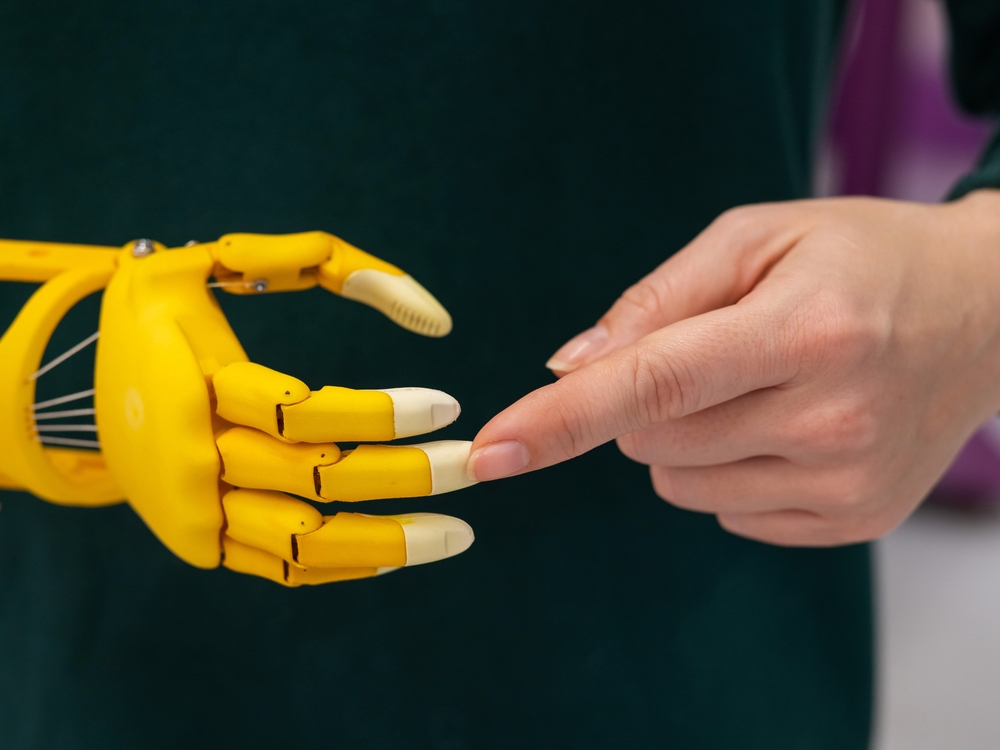
The latest advancements in 3D-printed prosthetics are helping many people achieve a more personalized fit that can better adapt as their needs change over time.
Quick Answer
3D-printed prosthetics offer a highly customized approach to limb replacement by creating sockets and components that are tailored to an individual’s anatomy. For active residents throughout Long Island, this technology can improve comfort, reduce fitting adjustments, and make it easier to accommodate changes in activity level, body shape, or residual limb volume.
What Local Readers Should Know
- Active lifestyles across Long Island often require prosthetic solutions that balance comfort, durability, and mobility.
- Seasonal temperature and humidity changes throughout Nassau and Suffolk counties can affect residual limb volume and socket comfort.
- Modern digital scanning and 3D printing can help create highly individualized socket designs.
- Regular evaluations remain important because even a well-fitting prosthesis may need adjustments over time.
- Recreation areas like Bethpage State Park, Jones Beach, and local walking trails often place different demands on prosthetic devices than everyday household activities.
Why This Matters Locally
Long Island residents often experience a wide range of daily environments. One day may involve commuting into New York City, while another includes beach walks, community events, cycling, or recreational sports. These changing activities place different demands on a prosthetic limb.
Seasonal weather also plays a role. Summer heat and humidity can contribute to changes in residual limb volume and perspiration, while colder winter temperatures may affect comfort during longer periods outdoors. Having a prosthetic solution that can be carefully customized helps support consistent performance throughout the year.
At Prosthotic Laboratories, Inc., we understand that no two individuals have identical goals. Our approach focuses on creating prosthetic solutions that match each person’s anatomy, lifestyle, and long-term mobility objectives.
Local Field Observations
Based on professional experience working with individuals throughout the Long Island region, active patients commonly seek solutions that improve both comfort and consistency. People who regularly walk, exercise, work physically demanding jobs, or participate in community activities often notice that small improvements in socket fit can make a meaningful difference throughout the day.
Digital design and 3D printing have expanded the ability to fine tune prosthetic components while allowing clinicians to evaluate designs with greater precision than traditional fabrication methods alone.
How 3D Printing Improves Prosthetic Fit
3D printing improves prosthetic fit by allowing highly detailed digital customization before fabrication begins.
Instead of relying exclusively on traditional casting methods, clinicians can use digital scans to capture the unique contours of the residual limb. Computer modeling allows precise modifications that may be difficult to achieve through conventional processes.
Potential benefits include:
- More individualized socket geometry.
- Greater consistency during fabrication.
- Faster design revisions when adjustments are needed.
- Digital records that may assist with future modifications.
- Opportunities for lighter or more specialized component designs when clinically appropriate.
Every prosthetic recommendation depends on the individual’s clinical evaluation, activity level, and goals.
Local Impact
For active residents throughout Farmingdale and neighboring communities, a comfortable prosthesis can influence nearly every part of daily life.
Walking longer distances, navigating uneven sidewalks, climbing stairs, participating in recreational activities, or spending extended periods on your feet all depend on how well the prosthesis fits and functions. Even small pressure points may become more noticeable during active days.
Customized prosthetic solutions can help support greater confidence while reducing unnecessary discomfort during routine activities.
Warning Signs Your Prosthetic May Need Reassessment
A professional evaluation may be appropriate if you notice any of the following:
- Persistent pressure points or skin irritation.
- Increased movement between the residual limb and socket.
- Changes in balance or walking pattern.
- Discomfort that develops after activities that were previously comfortable.
- Frequent need for additional socks to maintain fit.
- Reduced confidence during uneven terrain or longer walks.
- Changes in residual limb size or shape.
These signs do not necessarily mean a replacement is required, but they do indicate that an assessment can help determine the most appropriate next step.
When to Call a Prosthetics Professional
A prosthetics professional should evaluate ongoing discomfort, skin concerns, or significant fit changes rather than relying on temporary adjustments.
Minor daily volume changes can often be managed using techniques recommended by your prosthetist. However, persistent pain, recurring skin breakdown, changes in gait, or reduced stability should always be professionally assessed. Early intervention may help prevent more significant issues from developing.
Common Local Factors That Affect Prosthetic Fit
Several factors commonly influence prosthetic performance for Long Island residents.
Activity Level
People who enjoy hiking, cycling, fitness programs, or physically demanding work may place additional stress on their prosthetic components.
Seasonal Weather
Humidity and temperature fluctuations throughout the year can influence residual limb volume and comfort.
Daily Commuting
Extended periods of sitting followed by walking or standing may affect how the prosthesis feels throughout the day.
Natural Physical Changes
Weight changes, muscle development, healing, and long-term limb changes all contribute to the need for periodic reassessment.
Prevention and Maintenance
Routine maintenance helps extend prosthetic performance while supporting comfort.
Helpful habits include:
- Inspect your skin daily.
- Follow your clinician’s cleaning recommendations.
- Report changes in fit early instead of waiting for discomfort to worsen.
- Schedule routine follow-up appointments.
- Monitor wear on liners and other consumable components.
- Discuss any changes in activity level with your prosthetist.
Consistent communication allows adjustments to be made before small issues become larger problems.
What Results Can You Expect?
Most individuals can expect a personalized evaluation, careful fitting process, and ongoing adjustments as needed throughout the life of their prosthesis.
Because every person heals differently and has unique mobility goals, results vary. A properly managed prosthetic program focuses on improving comfort, supporting function, and adapting to changes over time rather than assuming one fitting will remain ideal indefinitely.
Common Mistakes
Waiting Too Long for Adjustments
Small fit issues can become larger comfort problems. Seeking an evaluation early often provides more options.
Assuming Discomfort Is Normal
Some adjustment periods are expected, but ongoing pain or skin irritation should not simply be accepted.
Ignoring Activity Changes
Beginning a new exercise routine or returning to work may change prosthetic demands. Updating your prosthetist helps maintain optimal performance.
Skipping Routine Follow Up
Even when everything feels comfortable, periodic evaluations help identify gradual changes before they become noticeable.
Common Local Scenario
An active Long Island resident receives a well-fitting prosthesis following rehabilitation and returns to work, walking, and recreational activities. Over time, increased activity and natural changes in limb volume begin affecting socket comfort. Rather than replacing the entire prosthesis immediately, a professional evaluation identifies opportunities for updated fitting and customized modifications that better match the individual’s current needs and lifestyle.
Related Prosthetic Solutions
Depending on individual needs, treatment options may include:
- Digital prosthetic evaluations.
- Custom socket design.
- 3D-printed prosthetic components when clinically appropriate.
- Socket adjustments and modifications.
- Prosthetic replacement evaluations.
- Ongoing follow-up care and maintenance.
Comparing Your Options
| Option | Best For | Considerations |
|---|---|---|
| Continue using current fit | Minor temporary changes | Requires monitoring for comfort and skin health |
| Professional socket adjustment | Moderate fit changes | May restore comfort without full replacement |
| New custom prosthetic design | Significant anatomical or lifestyle changes | Allows comprehensive reassessment using current technology |
| 3D-printed customized solution | Individuals seeking highly personalized fit | Clinical evaluation determines whether this approach is appropriate |
Service Areas
From our Farmingdale location, we proudly serve individuals throughout Long Island, including Nassau County, Suffolk County, Bethpage, Massapequa, Melville, Plainview, and surrounding communities. Our goal is to provide personalized prosthetic care that supports each patient’s unique lifestyle and mobility needs.
The Cost of Ignoring Fit Changes
Delaying evaluation can lead to worsening discomfort, reduced mobility, skin irritation, and decreased confidence during everyday activities. Addressing concerns early often allows clinicians to recommend solutions before more significant complications develop.
Frequently Asked Questions
Are 3D-printed prosthetics available for active people in Farmingdale?
Yes. 3D printing can be used for certain prosthetic applications when clinically appropriate. A professional evaluation determines whether this technology aligns with your anatomy, mobility goals, and activity level.
How often should my prosthetic fit be evaluated on Long Island?
Most people benefit from periodic follow-up visits, especially if they notice changes in comfort, activity level, or residual limb volume. Your prosthetist can recommend an appropriate schedule based on your individual circumstances.
Does weather on Long Island affect prosthetic comfort?
Yes. Seasonal temperature and humidity changes may influence residual limb volume and perspiration, which can affect socket fit throughout the year.
Can 3D printing replace every traditional prosthetic?
No. 3D printing is one valuable tool within modern prosthetic care. The most appropriate solution depends on your clinical needs, functional goals, and professional assessment.
What makes a customized prosthetic different?
Customized prosthetics are designed around your unique anatomy, mobility requirements, and daily activities rather than relying on generalized sizing alone.
Should I schedule an appointment if my prosthesis only feels uncomfortable during exercise?
Yes. Activity-specific discomfort often provides valuable information about fit and function. An evaluation can identify adjustments that better support your active lifestyle.
Closing
A prosthetic should continue supporting your life long after the initial fitting. As technology advances, personalized solutions like 3D-printed prosthetics offer new opportunities to improve comfort and function for active individuals throughout Long Island. Regular evaluations and customized care help ensure your prosthesis continues working as your lifestyle evolves.
Stay Active with Personalized Prosthetic Care in Farmingdale
Your mobility goals deserve individualized attention. Contact us today to schedule a consultation and explore prosthetic solutions designed to help you move with greater confidence.